The Importance Of Maternity Insurance During And After Pregnancy

With the surge in pregnancy-related expenses and medical costs, a maternity insurance policy can significantly reduce the resulting monetary burden and stress. Typically, maternity insurance policies go above and beyond standard health insurance policies. These provide coverage for pre-hospitalisation, post-natal, day-care, and other such expenses.
Top Reasons to Buy A Maternity Insurance Policy
Lack of coverage in regular health policies
Maternity expenses are usually not covered in most health insurance policies. Only the insurers providing fully inclusive medical insurances provide maternal and newborn coverage. Others offer maternity insurance as an add-on policy. As a result, many people do not know that their insurance policy does not cover pregnancy-related expenses.
Extensive financial coverage
Maternity insurance coverage includes a wide range of pregnancy-related expenses, whether it is doctor’s fees, cost of delivery, or hospitalisation charges. In addition, most maternity insurance policies cover the costs of medicines, check-ups, diagnostics tests, ultrasonography, etc.
High costs of surgical deliveries
Today, childbirth is a very expensive affair with a standard delivery costing between Rs. 40,000 to Rs. 2,00,000. It makes sense to have a maternity insurance policy in place to reduce the financial constraints.
Financial cover from additional expenses
Besides hospital charges, diagnostics fees, and medical expenses, maternity insurances also cover a host of additional expenses, depending on the insurance policy. This includes room charges, maternity clothing, baby-care products, anesthetic consultant fees, vaccine charges, and more. These costs can add up to a very large sum which often strains finances.
Indeed, pregnancy is already a challenging time for a mother. However, having a financial safety net of pregnancy insurance policy lets a mother prepare for childbirth better.
Eligibility Criteria for a Maternity Insurance Policy
Depending on the insurance provider, one needs to fulfill a few criteria to avail a maternity insurance policy. These are:
- The insurer will require the insured to be of a certain age to avail the benefits. Usually, the age limit is between 18 and 45 years for such a policy cover.
- The maternity coverage of most insurance policies comes into effect after a pre-decided waiting period. The said period is usually 2 years. Hence, one should always get maternity cover well in advance to access its benefits.
- Many insurers mandate that an insured individual must not be pregnant at the time of purchasing the policy. Hence, couples must consider getting maternity coverage when planning for pregnancy.
Documents Required to Claim Maternity Insurance Policy
To make claims for maternity coverage, one will need these documents. However, some insurance providers may require to provide these documents, among others, to initiate the claim process:
- ID proof
- Claim form
- Policy documents
- Discharge summary
- Original hospital bill
- Pharmacy bill
- Fitness certificate
- Consultation bill
- Cashless claim forms
- Prescriptions for medicine or other items
What is Covered under Maternity Insurance Policy?
Maternity insurance or health insurance policy with maternity coverage helps account for all sorts of pregnancy-related medical expenses.
The following is a list of coverage offered:
Hospitalisation expenses
The insurance will cover hospitalisation expenses for up to 30 days pre-delivery and 60 days after delivery. This includes expenses such as nursing fees, OT charges, room rent, doctor’s fees, surgeon’s fees, and anesthetic consultation, among others.
Pre and post-natal expenses
This covers charges beyond the basic hospitalisation. Under this, the insurance policy covers costs for caesarean deliveries, ambulance charges, ultrasound, medicines, and regular check-ups before and after hospitalisation.
New-born baby coverage
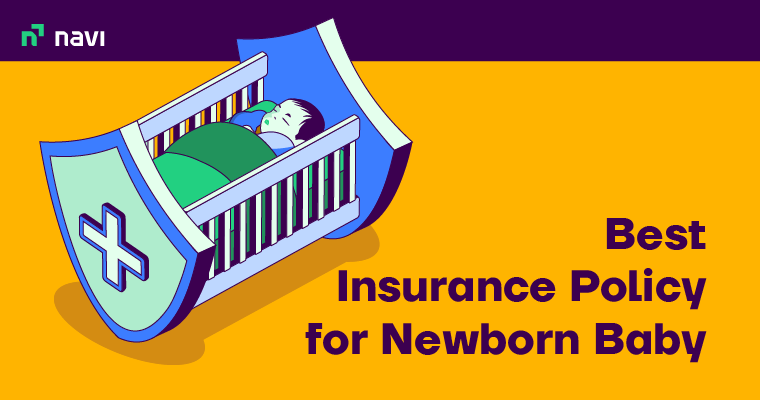
Maternity policies also cover expenses related to care of the newborn baby or neonatal care for up to 90 days. In addition, it covers vaccinations, expenses due to medical complications, treatment of congenital disabilities, fertility issues, and so on.
Day-care treatments
Pregnancy insurance cover provides financial coverage of various doctor and medicinal expenses that require day-care treatments. These include treatments that do not require a patient to be admitted to a hospital for more than 24 hours.
Exclusions under Maternity Insurance Policy
Note that pregnancy cover for health insurance policies comes with certain exclusions. Therefore, to avail quality and on-time natal care, knowing about the limitations of a maternity health cover before purchasing it is recommended.
For instance, these are among the common exclusions of maternity policy covers that prevent policyholders from raising a successful claim:
Pre-existing diseases that affect pregnancy
Most maternity insurance policies do not cover pre-existing medical complications that could affect pregnancy. Hence, if the expecting mother has high blood pressure or epilepsy, she may not get maternity cover.
Regular OB-GYN visits
Patients may need to visit their OB-GYN regularly through the course of pregnancy. Usually, only OB-GYN visits and consultation fees in the pre-hospitalization period are covered by such insurance policies.
Additional medical costs
Any other supplements or vitamins the insured takes but that has not been prescribed by her doctor are not covered under maternity insurance policies.
Congenital diseases
Inherited medical conditions such as heart diseases, Down syndrome, and spina bifida in children after birth are usually not covered by these insurance policies.
Maternity insurances also do not cover IVF or other infertility treatments.
Besides these, claims are allowed only after the completion of the waiting period and for a limited number of times.
Additional Features of Maternity Insurance Covers
Given are some additional features/benefits to look out for when getting maternity insurance covers:
- You should choose maternity insurance providing full coverage. In addition, it should cover various expenses such as pre and post-natal care and day-care treatments.
- A shorter waiting period on maternity insurance is preferable.
- Insurance policies with longer tenure could provide the best coverage.
- Many insurers provide cashless treatment facilities allowing them to pay a very low amount as the insurer takes care of all expenses.
Besides these, a health insurance plan offers tax benefits of a minimum of Rs. 25,000 in one financial year.
Final Word
A maternity insurance policy provides extensive financial coverage, which includes most pregnancy-induced expenses. Getting one allows the mother to be free from stress and helps avail the best quality treatment and medical facility for safe childbirth.
Download the Navi app today to avail the best health insurance plan with comprehensive coverage, including maternity and newborn baby cover.
Frequently Asked Questions
How soon can I claim my maternity insurance policy after purchasing it?
Maternity covers usually come with a long waiting period. Such a period ranges from 2 to 4 years, for which the insured must wait before they can make a claim.
Can a new-born baby be covered under health insurance?
Health insurance policies with maternity benefits cover various newborn baby expenses for the first 90 days after the child’s birth. After that, the policyholder can list their baby in the base plan.
When is the ideal time to avail a maternity insurance policy?
Couples planning to have a baby must undertake pre-meditated measures and avail a policy as soon as they are married to ensure coverage.
Before you go…
How about an affordable health insurance policy ?⚕️ starting at a monthly premium of just Rs. 241? Install the Navi app now and get your policy in under 2 minutes.