4 Important Factors That Affect Your Credit Score
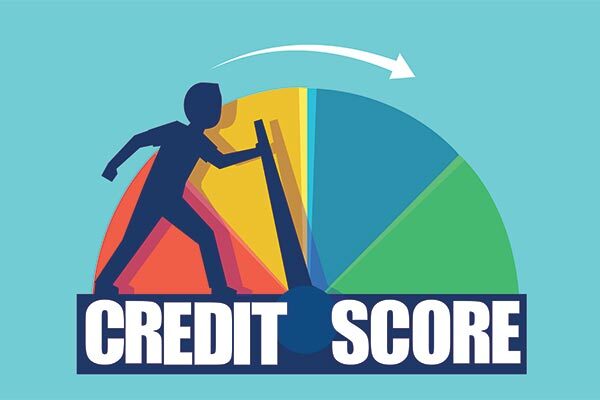
Did you know the lucrative interest rate on loans by banks and NBFCs are usually meant for creditworthy customers? Creditworthy customers have a credit score equal to or above 750. A credit score scale usually measures between 300-900. And, various factors affect credit score causing it to dip down. A poor credit score could make it tough to get a loan easily from financial institutions.
This article lists the key factors that influence your credit score and what to do if you do not have a credit score. Let’s begin!
4 Factors That Influence Your Credit Score
These are the 4 main factors that have a major effect on your credit score.
1. Payment History
Your payment history is one of the most crucial factors that determine your credit score. The history of making timely or untimely payments towards your past and existing loans matters heavily. It indicates your trustworthiness as a borrower. This enables the new lender to assess sort of your payback nature. And the better it is, the better chances you have to secure a debt or credit at the best possible interest rate.
In short, it means that crossing the payment due date could cost you a decline in your credit score.
2. Age of your Credit History
The longer your credit history, the better it gives an idea about you as a borrower. And if the age of credit history is considerably longer with zero default on repayments, then you are the ideal borrower every bank/NBFC wants to lend to. Hence using a credit card responsibly for securing a cheap loan 5-10 years in future, is a technique which could actually help.
3. Types of Credits Consumed
A healthy credit habit will contribute to your credit score. Credit bureaus simply assess the types of credits experienced by you, and it includes both, secured loans (like a car loan, a home loan, etc.), and unsecured loans(personal loans, credit cards, etc.). And if you have had a responsible credit history with both secured and unsecured loans, then you are more likely to have a good credit score.
4. Number of Applications
A lot of people are not able to secure a debt or credit card in their first application itself, hence they apply multiple times. This is called a hard inquiry, where a customer applies multiple times for cards, loans, etc., within a short span of time. And too many hard enquiries can significantly pull down your credit score. Least say, the more desperate you look to these institutions, the more you position yourself as a ‘risky’ customer.
What Could Make Your Credit Score Drop?
Below are some of the factors that could make your credit score drop:
1. You Recently made an Expensive Purchase
Although credit cards are a convenient way to make large payments, you must also be mindful of the Credit Utilisation Rate (CUR). You must maintain a low CUR (around 10-30%) to maintain a healthy credit score.
A Credit Utilisation Rate of more than 30% will bring down your credit score. Therefore, whenever you have to make a big purchase, you should repay the due amount before the billing cycle ends.
When the credit card issuers report your balance at the end of the cycle, the current credit card balance gets recorded. This very often affects your credit score even if you already have paid your dues.
2. You have Payments Due
Your credit history is a vital factor that drives your credit score. Timely repayment of loan EMIs or credit card dues increases your credit score, whereas you may find your score falling due to missed repayments.
If your payment is more than 30 days late from the due date, your credit score is bound to drop. The consequence can be severe if the payment is 60 to 90 days late.
A good and timely payment remains in your history for 10 years or more. Make sure to pay your debts on time to boost your credit score for a longer period.
3. You Closed or Cancelled a Credit Card
Closing a credit account can negatively affect your credit score. When you close a credit account, the age of your credit history falls. As credit history is an important factor in determining your credit score, lesser age results in a lower score.
However, you can recover the loss of your credit score with timely payments. The credit score will rise if you do not take any debt after closing an account.
Does having Multiple Loans Affect Credit Score?
When you apply for a new credit card or a loan, a hard inquiry takes place. It helps lenders perform the risk assessments. Hard inquiries affect your credit score temporarily. The inquiry remains on your credit account for a long time.
If you already have a good credit history, the impact of hard inquiry will be negligible on your score. Whereas, if you are new to credit or have a limited credit history, the damage can be severe. Hence, you should avoid applying for multiple credit facilities in a short interval (of three months or less).
Holding multiple loans does not directly affect your credit score. However, repayment of multiple debts may become a challenge. This indiscipline and failure to meet the due date could bring down your credit score.
What to Do if You Don’t Have a Credit Score?
Having no credit score does not mean you have a “Zero score”. The credit scoring system ranks the lowest score as 300 and 900 as the highest. You may not have a credit score if you did not apply for a loan or credit account previously.
Here is what you should do if you have no credit score:
1. Get a Secured Credit Card
They are designed solely for people with low or no credit scores. You can start building a positive credit history with a secured credit card. The process is slow but can reap substantial rewards if done in a calculated manner. Your credit score will rise if you keep your credit utilisation rate low and pay your bills on time.
2. Get a Co-signer
Another way to get a loan easily is to ask a family member or a close friend to guarantee your loan repayments. The co-signer needs to give an assurance to the lender that if you fail to pay the due amount, they have to repay it for you. Having a co-signer with a good credit score will make you eligible for a loan even if you have low credit scores.
3. Get an Authorised User
Like above, this also needs a trustworthy relationship. A close family member can add you as the authorised user of their account. You can coordinate with them to pay bills or other purposes wisely. By doing so, you can grow your credit score.
Factors that Do Not Affect Credit Score
The factors that make your credit score rise are well-known to most applicants. You should also keep in mind the things that do not affect your credit score. Knowing them saves you from misinformation and wasting your time.
Below are a few factors that have no effect on your credit score.
- Checking your score at regular intervals does not have a positive or negative impact on the score.
- Your personal data, age or income, does not contribute to the score.
- Debit cards do not build up the credit score.
- Being denied credit does not reduce your credit score unless you have made multiple applications.
- Your credit scores do not merge post-marriage.

Final Word
Pay your bills/EMIs on time and utilise your credit channels effectively. If you’re a responsible borrower, your credit score is bound to be good. So, follow best financial practices at all times to keep your credit score in check. To get an instant personal loan of up to Rs.20 lakh and flexible EMIs, download the Navi app now!
Personal Loan in Your City