Standalone Own Damage (SAOD) Policy: Eligibility, Documents & How It Works
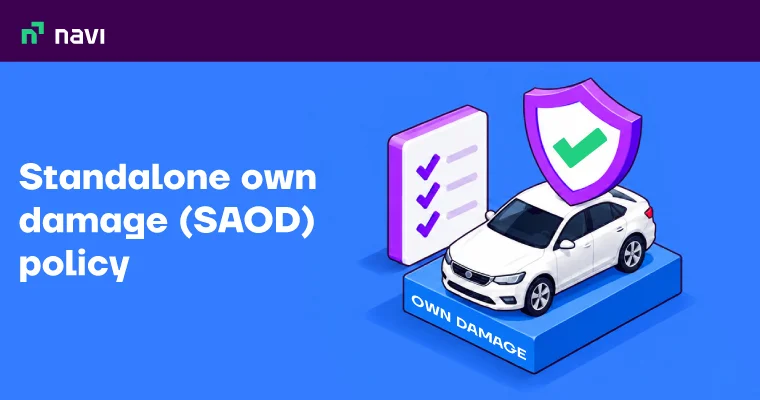
Direct answer: A Standalone Own Damage (SAOD) policy covers the cost of repairing or replacing your own vehicle if it gets damaged due to an accident, fire, theft, or natural disaster. You can buy it only if your vehicle already has an active Third Party insurance policy. Before buying an SAOD policy, check the eligibility criteria, required documents, and premium details with your insurer. Insurers like Navi let you buy and manage Own Damage insurance online through their app with minimal documentation and instant policy access.
Key Takeaways
- A Standalone Own Damage (SAOD) policy covers repairs or replacement costs for your own vehicle after accidents, theft, fire, and natural disasters.
- You can buy SAOD only if your vehicle already has an active Third Party insurance policy.
- SAOD can be purchased from the same insurer as your third-party policy or a different insurer.
- Your SAOD premium depends on factors like IDV, vehicle age, engine size, add-ons, and claim history.
- SAOD is a useful option if you want to protect your own vehicle without buying a full Comprehensive insurance policy.
What Is a Standalone Own Damage (SAOD) Policy?
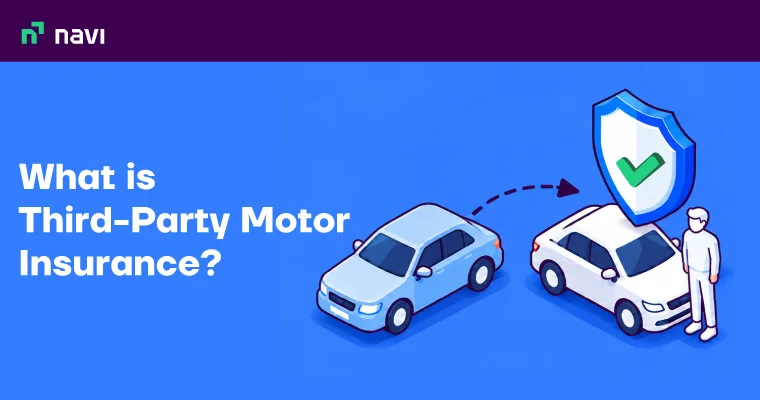
An Own Damage policy protects your vehicle against damages like accidents, theft, fire, and natural disasters. Unlike Third Party insurance, it does not cover damage or injuries caused to others.
Before 2020, Own Damage cover was available only with a comprehensive motor insurance policy. However, from September 2019, IRDAI allowed insurers to offer Standalone Own Damage (SAOD) policies, so people with a valid Third Party insurance policy could protect their own vehicle without buying a comprehensive plan.
Who Can Buy a SAOD Policy?
To buy an SAOD policy, your vehicle must already have an active Third Party insurance policy.
Three groups commonly buy SAOD policies:
1) People switching insurers at renewal who want to buy Own Damage insurance separately.
2) First-time digital buyers who choose different insurers for Third Party insurance and OD insurance to save money.
3) EV and two-wheeler owners with an active Third Party insurance policy for the same vehicle.
How Does a SAOD Policy Work?
A Standalone Own Damage (SAOD) policy works alongside your Third Party insurance policy. You can buy both policies from the same insurer or choose different insurers.
Each policy has its own coverage period and renewal date.
For new vehicles, Third Party insurance is valid for 3 years for cars and 5 years for two-wheelers. However, an Own Damage policy is valid for only 1 year.
This means you need to renew your Own Damage policy every year, even if your Third Party policy is still active.
Here’s how the SAOD claim process usually works:
1. Raise a claim
If your vehicle is damaged by an accident, fire, natural disaster, or another covered event, you raise a claim with your Own Damage insurer.
2. Damage inspection and claim approval
The insurer inspects the damage and reviews your claim based on your policy terms. If the damage falls under the policy coverage, the insurer approves the claim.
What Documents Do You Need to Buy a SAOD Policy?
You’ll need:
- Vehicle Registration Certificate (RC)
- Proof of your existing Third Party insurance policy
- A valid ID proof (Aadhaar, PAN, passport, driving licence, or voter ID)
- Address proof
- PUC (Pollution Under Control) certificate
If you’re renewing or switching insurers, keep a copy of your previous Own Damage policy. Also keep your No Claim Bonus (NCB) declaration if you haven’t made a claim. This helps you retain your NCB instead of starting over.
Also, depending on your vehicle’s age or whether your previous insurance policy has expired, your insurer may require a vehicle inspection before issuing or renewing your Standalone Own Damage (SAOD) policy.
What Does an SAOD Policy Cover?
A Standalone Own Damage policy covers damage to your own vehicle caused by:
- Accidents
- Fire or explosion
- Theft of the vehicle
- Natural disasters, including floods, earthquakes, and cyclones
- Man-made events, such as riots, vandalism, and civil disturbances
What Does an SAOD Policy Not Cover?
A Standalone Own Damage policy does not cover:
- Third-party liability for damage or injuries caused to others
- Mechanical or electrical breakdown of the vehicle
- Driving without a valid driving licence
- Driving under the influence of alcohol or drugs
- Normal wear and tear of vehicle parts
How Is the SAOD Premium Calculated?
Your Standalone Own Damage premium is calculated based on factors like your vehicle’s Insured Declared Value (IDV), insurer’s premium rate, selected add-ons, and No Claim Bonus. Based on these factors, the insurer decides how much you need to pay for your SAOD policy.
Factors That Affect Your SAOD Premium
1. Vehicle’s IDV
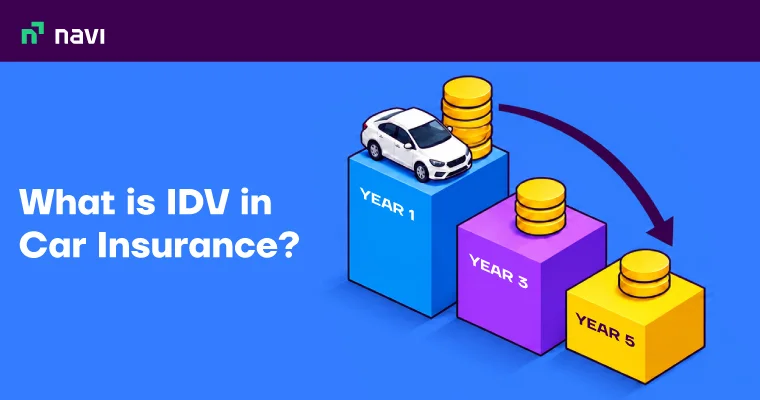
IDV is one of the biggest factors affecting your SAOD premium. It is the maximum amount your insurer will pay if your vehicle is stolen or declared a total loss. A higher IDV generally results in a higher premium.
2. Vehicle age and engine size
Older vehicles usually have a lower IDV due to depreciation, which can reduce the premium. The engine capacity of your vehicle also affects the premium calculation.
To understand how IDV is calculated and how depreciation affects your vehicle’s value, read our detailed guide on What Is IDV in Car Insurance?
3. Claim history
If you do not make claims during the policy period, you may receive an NCB discount when renewing your SAOD policy.
4. Location of the vehicle
The area where your vehicle is registered also affects your premium. Vehicles in areas with higher accident or theft risks may have higher premiums.
5. Add-ons and coverage options
Additional covers increase the premium but provide extra protection. For example, zero depreciation cover helps you get a higher claim amount by reducing depreciation deductions.
Should You Choose SAOD or Comprehensive Insurance?
Well, the right choice depends on the insurance you already have and how you want to manage your policy.
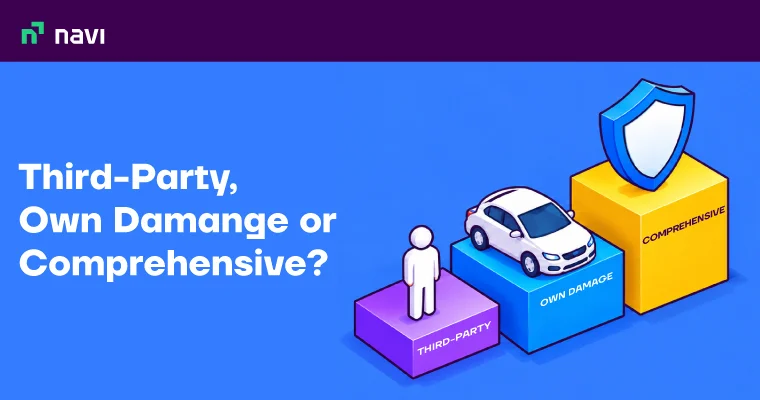
Choose Standalone Own Damage (SAOD) insurance if you already have Third Party insurance and want to protect your own vehicle without buying a Comprehensive policy.
Choose Comprehensive insurance if you want one policy that includes both Third Party and Own Damage cover.
If you prefer comparing plans and prices from different insurers, SAOD gives you that flexibility. You can choose one insurer for your Third Party policy and another for your Own Damage policy, and renew each policy separately.
You can buy Own Damage insurance through the Navi app. The process needs only a few documents, has no middlemen, and gives you instant access to your policy after payment.
Follow these steps:
- Download the Navi app.
- Enter your vehicle registration number.
- Get an instant quote.
- Choose your coverage and add-ons.
- Make the payment and receive your policy.
You can also add extra covers based on your coverage needs.
You can file an Own Damage claim in two ways, depending on where you get your vehicle repaired.
Cashless Claim Process
- Call Navi’s toll-free number (7406012341) to register your claim.
- Navi inspects the damage and takes photographs of your vehicle.
- After your claim is approved, take your vehicle to an approved network garage.
- Navi pays the approved repair cost directly to the garage.
Reimbursement Claim Process
- Call Navi’s toll-free number (7406012341) to register your claim.
- Navi inspects the damage and approves the estimated repair cost.
- Get your vehicle repaired at the garage of your choice.
- Submit the required documents and receive the reimbursement after your claim is approved.
When your own vehicle gets damaged, you want the process to be quick and hassle-free. Navi makes it easy to buy your policy online, get your vehicle repaired, and manage your claim without unnecessary delays.
With Navi, you can:
- Buy your policy online in minutes with minimal documentation.
- Get your policy instantly after purchase and access it anytime through the Navi app.
- Pay transparent prices with no hidden charges or middlemen.
- Get your vehicle repaired without paying upfront at a Navi network garage.
- Choose any garage you prefer and claim reimbursement if it’s outside Navi’s network.
- Get 24/7 claims support from a dedicated claims relationship manager.
- Customize your cover with add-ons that give your vehicle extra protection.
Whether you own a car or a two-wheeler, you can buy, manage, and claim your Own Damage policy entirely through the Navi app.
Conclusion
SAOD is a good option if you already have Third Party insurance and want protection for your own vehicle without buying a Comprehensive policy.
Comprehensive insurance may be a better choice if you want one policy that covers both Third Party and Own Damage.
Before buying a policy, check the eligibility, required documents, and pricing offered by your insurer. Insurers like Navi let you buy Own Damage insurance online through the app with minimal documentation and instant policy access.
FAQs
Own Damage insurance covers damage to your vehicle, but the insurer deducts depreciation on applicable parts when settling your claim. Zero Depreciation is an add-on that helps reduce or avoid this depreciation deduction during a claim.
Most insurers do not set a fixed limit on the number of Own Damage claims you can make in a year. However, making frequent claims can affect your No Claim Bonus (NCB), which may increase your renewal premium.
Your coverage depends on your insurer’s renewal rules. If your SAOD policy expires, your vehicle will not have Own Damage protection until you renew it. That’s why it’s important to renew your policy on time to avoid losing coverage.
The premium depends on factors like your vehicle’s Insured Declared Value (IDV), age, engine capacity, and the add-ons you choose. The cost varies based on your vehicle type and insurer.
For minor damage, such as dents or scratches, you usually do not need an FIR. For cases like vehicle theft or major accidents, your insurer may ask for an FIR as part of the claim process.